
10 Essential White Water Rafting Safety Tips for Your Next Trip
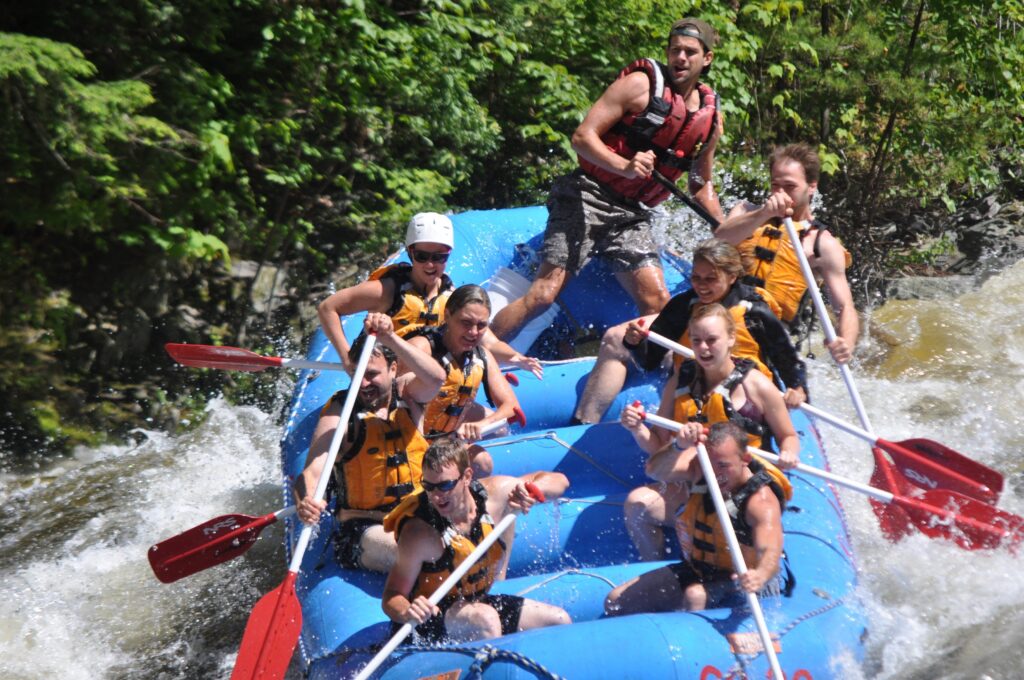
Whitewater rafting is one of the most exciting outdoor adventures you can experience. From crashing rapids to breathtaking river scenery, rafting offers the perfect mix of adrenaline and teamwork. Whether you’re a first-time rafter or an experienced paddler, understanding proper, basic whitewater rafting safety is essential. In this guide, we’ll cover the most important rafting tips to prepare you for a fun, safe, and memorable adventure on the river.
1. Always Wear a Properly Fitted Personal Flotation Device (PFD) and Helmet
One of the most important rules of whitewater rafting safety is wearing the correct safety gear at all times. A properly fitted PFD helps keep you afloat if you fall into the river, while a helmet protects your head from rocks, paddles, and other obstacles.
Your life jacket should fit snugly without restricting movement. If it rides up over your chin when lifted at the shoulders, it’s too loose. Helmets should sit comfortably and securely without wobbling.
Professional outfitters provide approved safety equipment, but it’s still important to check your gear before launching onto the river.
Rafting Tip: Never remove your helmet or life jacket while on the water, even in calm sections.
2. Listen Carefully to Your Raft Guide’s Instructions
Experienced raft guides are trained in river navigation, rescue techniques, and reading rapids. They understand the river conditions and know how to keep the group safe throughout the trip.
Before launching, your guide will explain essential whitewater rafting rules, including paddle commands, seating positions, and emergency procedures. Pay close attention during the safety briefing and continue listening while on the river.
Common commands may include:
- “Forward paddle” — Everyone paddles forward together to move the raft ahead and build momentum through rapids.
- “Back paddle” — Paddle backward to slow the raft down, avoid obstacles, or help the guide change direction.
- “Get down” — Quickly crouch low inside the raft, usually during rough rapids or potential collisions, to help keep everyone stable and secure.
- “High side” — Move quickly to the high side of the raft (the side lifting out of the water) to help prevent the raft from flipping over.
Responding quickly and correctly helps the raft stay balanced and avoid obstacles.
Rafting Tip: If you’re unsure about a command or procedure, ask questions before the trip begins.
3. Sit Correctly and Secure Yourself in the Raft
Proper seating position improves balance, control, and paddling efficiency. Most raft guides will show you how to wedge your feet securely under the raft’s foot holds or side tubes to keep yourself stable through rapids.
Keep your body centered and lean slightly forward when paddling. Avoid sitting too loosely or dangling your feet over the edge of the raft in rough water.
Rafting Tip: A stable seating position not only improves your experience but also supports overall whitewater rafting safety for the entire group.
4. Dress for the Water Temperature, Not Just the Weather
Many beginners underestimate how cold river water can be, even on warm days. Dressing appropriately is one of the most overlooked rafting tips.
Avoid cotton clothing because it stays wet and cold. Instead, wear moisture-wicking synthetic or wool layers. Depending on the season and river conditions, you may need:
- A wetsuit
- A dry suit
- Splash jackets
- River shoes or secure sandals
Proper footwear is especially important. Flip-flops and loose shoes can easily fall off in rapids.
Rafting Tip: Bring a dry change of clothes for after the trip.
5. Know How to Float Safely in Rapids
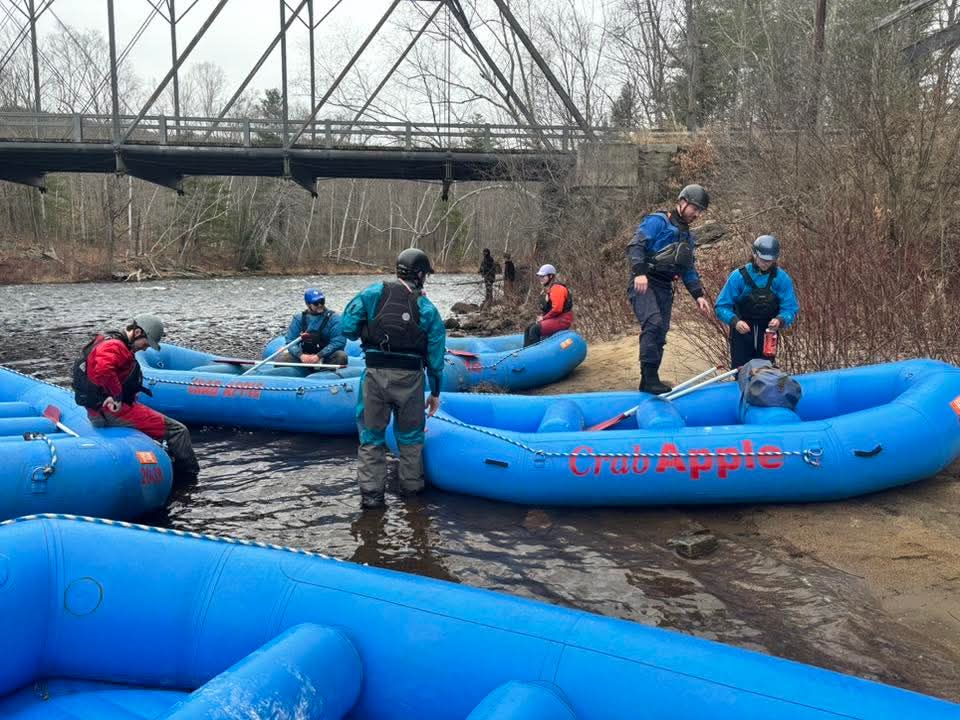
Falling out of the raft can happen, especially on more challenging rivers. Staying calm and knowing proper swimming techniques are key parts of whitewater rafting safety.
If you end up in the water:
- Float on your back
- Keep your feet pointed downstream
- Keep your knees slightly bent
- Avoid trying to stand up in moving water
Standing in fast-moving water can lead to foot entrapment between rocks, which is extremely dangerous.
Rafting Tip: Once you’re in calmer water, follow your guide’s instructions to swim back to the raft or toward shore.
6. Maintain Control of Your Paddle
Your paddle is both a tool and a potential hazard if handled incorrectly. One of the most important whitewater rafting rules is maintaining a firm grip on the paddle at all times.
Always keep one hand on the T-grip (the handle at the top of the paddle). If you let go, the paddle can swing and accidentally injure another rafter.
Good paddle control also improves teamwork and helps the raft move effectively through rapids.
Rafting Tip: Practice basic paddling strokes before entering stronger rapids.
7. Keep Paddling Through Rapids
Many first-time rafters instinctively stop paddling when entering rough water, but paddling through rapids actually helps stabilize and control the raft.
Consistent paddling allows the guide to steer properly and maintain momentum through waves and obstacles. Team coordination is essential, especially on technical sections of the river.
Rafting Tip: Stay engaged and paddle confidently unless your guide instructs otherwise.
8. Choose a Reputable Whitewater Rafting Outfitter
Not all rafting companies offer the same level of experience, equipment, or safety standards. Choosing a professional outfitter is a major part of safe trip planning.
Before booking, research the company’s:
- Safety record
- Guide certifications
- Customer reviews
- Years of experience
- Equipment quality
A quality outfitter will prioritize whitewater rafting safety while still delivering an exciting adventure.
Rafting Tip: Ask whether guides are trained in CPR, first aid, and swift water rescue.
9. Learn Basic Rescue Techniques
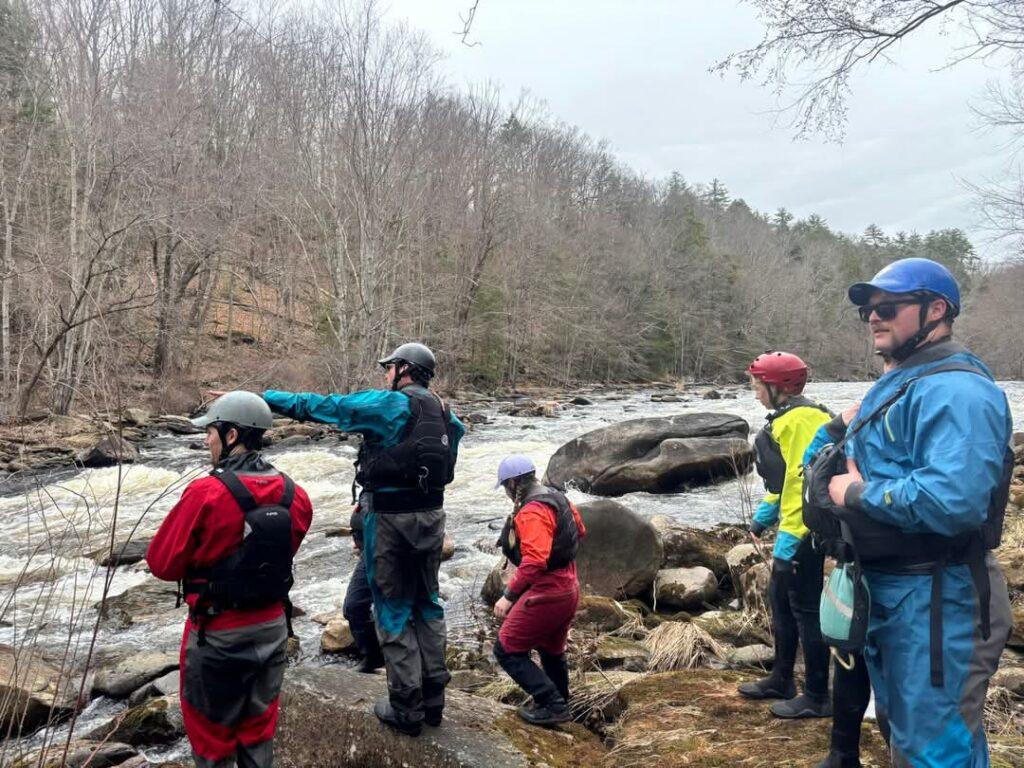
Even on guided trips, understanding simple rescue procedures can make a big difference during emergencies.
Your guide may explain how to:
- Pull someone back into the raft
- Use a throw rope
- Assist during a capsized raft situation
- Help swimmers safely re-enter the raft
Knowing these basics improves group safety and builds confidence on the river.
Rafting Tip: Never attempt dangerous rescues on your own. Follow your guide’s instructions carefully.
10. Avoid Alcohol and Drugs Before or During Rafting
Rafting requires focus, coordination, and quick reactions. Alcohol and drugs impair judgment and significantly increase the risk of accidents on the river.
One of the simplest yet most important whitewater rafting tips is staying sober during your trip. Clear thinking helps you respond to guide commands, paddle effectively, and react safely in emergencies.
Save the celebration for after the adventure is over.
Whitewater rafting is an unforgettable outdoor experience, but preparation and awareness are essential for staying safe on the river. By following these essential rafting tips and understanding proper whitewater rafting safety practices, you’ll be ready to enjoy the rapids with confidence.